

Modern commercial buildings need exterior systems that balance architectural appearance, sunlight control, ventilation and practical maintenance. Aluminium louvers are an increasingly useful facade feature because they can serve functional purposes while adding depth, texture and visual interest to a building’s exterior.
From corporate offices and IT parks to hospitals, shopping centres and industrial facilities, aluminium louvers can be used to shade windows, screen mechanical equipment, provide visual privacy and support ventilation where the system is appropriately designed.
However, not all louvers perform the same function. Selecting the right system requires consideration of blade design, building orientation, airflow requirements, weather exposure, material finish and installation details.
In this guide, we explain the different types of aluminium louvers for commercial buildings, their benefits, applications and the factors to consider before choosing a system.
What Are Aluminium Louvers?
Aluminium louvers are assemblies of angled or shaped blades installed on building facades, openings or screening structures. Depending on their design, they can regulate sunlight, allow airflow, provide visual screening and help manage exposure to rain.
The blades may be fixed at a particular angle or designed to adjust when operating conditions change.
Architectural louvers are often selected for their appearance and shading function. Ventilation or weather louvers, on the other hand, may require specific performance characteristics related to airflow, pressure drop and water penetration.
Choosing the right type starts with understanding the main purpose of the installation.
Types of Aluminium Louvers for Commercial Buildings
1. Fixed Aluminium Louvers
Fixed louvers have blades positioned at a predetermined angle. They provide a consistent appearance and can be designed for sun shading, screening or ventilation.
Common applications include office facades, parking structures, service areas and mechanical equipment enclosures.
Best suited for: Buildings that need permanent shading or screening without an adjustable mechanism.
2. Adjustable Aluminium Louvers
Adjustable louvers allow blade angles to be changed manually or through a suitable operating mechanism.
Depending on the design, this can provide greater control over sunlight, privacy and airflow. Motorised systems may be considered for applications that require automated operation.
Best suited for: Projects where changing environmental conditions or operational requirements justify adjustable shading.
The mechanism, maintenance requirements and operating controls should be evaluated before selecting an adjustable system.
3. Aluminium Sunshade Louvers
Sunshade louvers are designed primarily to reduce direct sunlight reaching windows and glazed facades.
They can be installed horizontally, vertically or in a combination of arrangements, depending on the building’s orientation and design.
External shading can reduce direct solar exposure before sunlight reaches the glazing. The actual improvement in indoor comfort and cooling demand depends on blade geometry, orientation, glazing properties and climate.
Best suited for: Offices, commercial complexes and buildings with large glazed elevations exposed to strong sunlight.
4. Aluminium Aerofoil Louvers
Aerofoil louvers use shaped blades with an aerodynamic profile. They are commonly selected where appearance, shading and controlled airflow need to be considered together.
Blade dimensions, spacing, orientation and support arrangements should be selected according to the intended application rather than appearance alone.
Best suited for: Contemporary commercial facades, equipment screening and selected ventilation applications.
5. Ventilation and HVAC Louvers
Ventilation louvers are installed at openings serving mechanical rooms, air-handling equipment, parking facilities and other areas where air must pass through an exterior enclosure.
Their selection should account for the required airflow, available free area, pressure drop and exposure to wind-driven rain.
A decorative louver should not automatically be treated as a suitable HVAC intake or exhaust louver. Performance requirements should be established by the relevant mechanical and facade design teams.
Best suited for: Plant rooms, parking facilities, utility enclosures and designated ventilation openings.
6. Acoustic Louvers
Acoustic louvers are designed for applications where ventilation must be maintained while reducing the transmission of sound through an opening.
They may be used near equipment rooms, generators or mechanical installations where noise control is important.
Acoustic performance varies with the product construction, blade arrangement, opening size and installation details. Project requirements should be confirmed using appropriate performance data.
Best suited for: Commercial or industrial facilities with specific noise-control requirements.
Key Benefits of Aluminium Louvers
1. Improved Solar Shading
Direct sunlight can increase heat gain through windows and glazed facades. Properly designed external louvers intercept some of this sunlight before it reaches the glass.
The effectiveness of the system depends on the sun’s position, blade angle, spacing, projection and building orientation.
Architects should consider shading early in the design process to coordinate the louvers with glazing and the building’s energy strategy.
2. Better Control of Natural Light
Louvers can reduce direct glare and influence how daylight enters occupied spaces.
Their performance depends on the blade geometry and location. Excessive shading can also reduce useful daylight, so the design should balance visual comfort with the need for natural illumination.
3. Support for Ventilation
Louver systems designed for ventilation allow air to pass through designated openings while providing a degree of screening and, depending on the design, weather protection.
For mechanical applications, airflow requirements and pressure losses must be checked to ensure the selected system is appropriate.
4. Contemporary Architectural Appearance
Aluminium louvers create patterns of lines, shadows and depth across building exteriors.
They can be coordinated with curtain walls, ACP cladding, aluminium windows and other facade components to create a consistent architectural design.
5. Visual Screening
Louvers can screen rooftop equipment, service areas, parking facilities and mechanical installations without necessarily creating a completely solid enclosure.
The level of screening depends on blade angle, spacing, viewing direction and lighting conditions.
6. Corrosion Resistance and Finish Options
Aluminium naturally forms a protective oxide layer and is widely used in exterior architectural applications.
Suitable surface finishes, including powder coating or anodising where appropriate, can improve appearance and provide additional protection. The finish should be selected according to the environment, exposure conditions and maintenance requirements.
No exterior system is entirely maintenance-free; periodic inspection and cleaning remain important.
How Modern Building Facades Improve Energy Efficiency, Safety, and Architectural Design
Read this blog
How to Choose the Right Aluminium Louvers
Before selecting an aluminium louver system, define the purpose of the installation and the conditions in which it must operate.
1. Identify the Primary Function
Decide whether the main requirement is sun shading, ventilation, equipment screening, privacy, acoustic control or architectural detailing.
A system optimised for one purpose may not provide the same performance for another.
2. Consider Building Orientation
The direction of the facade influences how sunlight reaches the building throughout the day and year.
Horizontal shading can be useful in some high-sun-angle conditions, while vertical blades may help manage sunlight arriving from lower angles. Actual performance should be assessed for the building’s location and geometry.
3. Select the Appropriate Blade Design
Blade shape, angle, depth and spacing affect appearance, shading, airflow and weather protection.
The design should be coordinated with the facade dimensions and any ventilation requirements.
4. Check Structural Support and Fixings
Louvers must be supported by a suitable subframe and connections designed for the applicable loads.
Wind exposure, building height, support conditions and the weight of the assembly should be considered by the responsible design professionals.
5. Choose a Suitable Surface Finish
Colour and finish should complement the architectural design while meeting the project’s durability and maintenance requirements.
For buildings exposed to demanding environmental conditions, confirm that the selected finish and fixing materials are suitable for the exposure.
6. Evaluate Maintenance and Access
Consider how the louvers will be cleaned, inspected and repaired after installation.
Access can be particularly important for high-rise facades, where maintenance may require specialised equipment and safety arrangements.
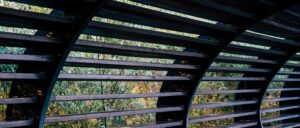
Aluminium Louvers vs Traditional Sunshades
Traditional overhangs and projecting sunshades can provide effective shading, but their performance depends on the building geometry and sun angle.
Aluminium louvers offer another approach, with options for fixed or adjustable blades, varied spacing and integration into facade screens.
| Feature | Aluminium louvers | Traditional solid overhang |
|---|---|---|
| Design flexibility | Multiple blade arrangements | Depends on projection and geometry |
| Visual screening | Can provide partial screening | Depends on its size and position |
| Air movement | Possible with suitable open-blade design | Generally does not provide airflow through the solid element |
| Light control | Depends on blade angle and spacing | Depends on projection and orientation |
| Maintenance | Blade and fixing inspections may be needed | Depends on material and construction |
Neither option is universally better. The right choice depends on the facade design, climate, budget and performance objectives.
Where Are Aluminium Louvers Commonly Used?
Corporate Offices and IT Parks
Louvers can help manage solar exposure, add architectural depth and screen selected service areas.
Hospitals and Healthcare Buildings
They may be used for external shading and for screening designated mechanical areas, subject to the building’s ventilation and hygiene requirements.
Shopping Centres and Commercial Complexes
Louvers can contribute to facade design while providing shade or concealing service installations.
Industrial Facilities
Ventilation and screening louvers can be used around equipment rooms, utility areas and other designated openings.
Parking Structures
Open louver arrangements may provide screening while allowing air to move through the structure. The design must remain consistent with the applicable ventilation and fire-safety requirements.
How Much Does Facade Cladding Cost in India? Complete Guide
Read this blog
What Factors Affect Aluminium Louver Cost in India?
The cost of aluminium louvers depends on the specifications and installation conditions. A reliable estimate should be based on the actual project scope rather than a generic rate.
Important factors include:
- Total louver area and quantity.
- Blade profile, dimensions and spacing.
- Fixed or adjustable operating mechanisms.
- Aluminium specifications and surface finish.
- Supporting frames, brackets and fixings.
- Wind loads and building height.
- Installation access and site conditions.
- Design coordination, fabrication and testing requirements.
Custom-shaped blades, motorised mechanisms and difficult installation conditions can increase costs.
When comparing quotations, check whether each supplier has included the same materials, finish, support structure, installation work and performance requirements.
Common Mistakes to Avoid When Selecting Louvers
Choosing on appearance alone: A visually attractive blade profile may not meet ventilation or shading requirements.
Ignoring building orientation: A shading arrangement that works on one elevation may perform differently on another.
Blocking required airflow: Decorative screening should not compromise ventilation openings designed for mechanical equipment.
Overlooking water management: Weather-exposed openings may need specifically designed rain-resistant louvers and drainage arrangements.
Using unsuitable fixings or finishes: Material compatibility and environmental exposure should be considered during specification.
Ignoring maintenance access: Louvers should be designed and installed with practical inspection and cleaning arrangements in mind.
Avoiding these mistakes helps align the final system with the building’s actual needs.
Why Choose Alfa Facade Systems for Architectural Louvers?
Selecting an architectural louver system requires coordination between appearance, shading, ventilation, structural support and installation requirements.
Alfa Facade Systems is a Pune-based facade engineering and building-envelope company established in 1976. Its facade solutions include architectural louvers, sunshade systems, facade fins, ventilation grilles, ACP cladding, structural glazing, curtain walls and aluminium doors and windows.
The company supports projects across India and provides facade solutions for commercial and other building applications.
If you are planning a new commercial building or upgrading an existing facade, discuss your building orientation, shading requirements, opening dimensions and design preferences with the facade team.
Planning an aluminium louver project? Contact Alfa Facade Systems to discuss suitable louver solutions for your building.
Frequently Asked Questions
What are aluminium louvers used for in commercial buildings?
Aluminium louvers are used for solar shading, ventilation, equipment screening, visual privacy and architectural detailing. The exact function depends on the blade design and the intended application.
Do aluminium louvers reduce heat inside a building?
External sunshade louvers can reduce direct solar radiation reaching windows and glazed facades. The extent of heat reduction depends on building orientation, blade geometry, glazing performance and local climate.
Are aluminium louvers suitable for Indian weather conditions?
Aluminium louvers can be suitable for many Indian climates when the material, finish, fixings and system design are selected for the site’s exposure. Rain management, wind loads and maintenance requirements should be considered.
What is the difference between fixed and adjustable aluminium louvers?
Fixed louvers have blades set at a predetermined angle. Adjustable louvers allow their angle to change, offering additional control over sunlight, privacy or airflow where the system is designed for that purpose.
Can aluminium louvers provide ventilation?
Yes. Louver systems can allow air to pass through designated openings. For HVAC applications, the system must be selected according to the required airflow, free area, pressure drop and weather-protection needs.
Are aluminium louvers waterproof?
Not all aluminium louvers are waterproof. Some designs are intended to provide weather resistance while allowing airflow, but their performance depends on blade geometry, wind conditions, installation and drainage. Specify a suitable weather louver when rain penetration is a concern.
How do I choose the right louver size?
Louver dimensions and blade spacing depend on the opening size, shading objectives, airflow requirements, wind loads and architectural design. For mechanical ventilation applications, consult the relevant design professional.
How much do aluminium louvers cost in India?
Costs vary with the blade profile, aluminium specification, finish, quantity, support structure, operating mechanism and installation conditions. Request an itemised quotation based on the project drawings and specifications.


