

One of the first questions asked during a building facade project is: How much does facade cladding cost in India?
The answer depends on much more than the price of the cladding material itself. The total project cost can be influenced by the selected material, building height, facade area, design complexity, substructure, insulation, fabrication, installation, access equipment, location and maintenance requirements.
For this reason, a reliable facade quotation should be based on the complete system rather than simply a material price per square foot.
What Is Included in Facade Cladding Cost?
A typical facade cladding project may involve several cost components:
- Material
- Supporting framework
- Design and engineering
- Fabrication
- Fasteners and accessories
- Sealants and weatherproofing
- Transportation
- Installation
- Scaffolding or access equipment
- Testing and quality control
- Maintenance requirements
The relative importance of each component changes from project to project.
What Factors Affect Facade Cladding Cost in India?
1. Choice of Cladding Material
The selected material is one of the most obvious cost factors.
Common facade materials include:
- ACP
- Aluminium panels
- Glass
- Stone
- Terracotta
- HPL
- Metal cladding
- Other rainscreen materials
Each material has different characteristics relating to weight, fabrication, finish, installation and maintenance.
2. Total Facade Area
Larger projects may have greater overall quantities, but the relationship between facade area and total project cost is not always straightforward.
Small projects can sometimes have a higher effective cost per square foot because fixed engineering, transportation, equipment and mobilization costs are spread over a smaller area.
3. Building Height
Building height can significantly affect installation costs.
High-rise projects may require specialized access systems, additional safety measures, lifting equipment and more complex installation planning.
Therefore, two projects using the same facade material can have very different installation costs.
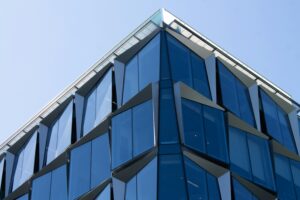
4. Facade Design Complexity
A simple flat facade is generally easier to fabricate and install than a building with:
- Curved surfaces
- Angled panels
- Complex corners
- Deep reveals
- Decorative features
- Multiple materials
- Irregular geometries
More complex geometry can increase engineering, fabrication and installation requirements.
5. Substructure and Fixing System
The visible cladding is only one part of the facade.
A complete cladding system may require aluminium framing, brackets, anchors, insulation, membranes and other components.
The structural requirements of the building can therefore influence the final cost.
6. Engineering Requirements
Professional facade engineering is particularly important for larger commercial and high-rise buildings.
Design may include:
- Shop drawings
- Structural calculations
- Material specifications
- Wind-load analysis
- Connection details
- Thermal considerations
- Water management
- Installation methodology
These activities add cost but help reduce technical uncertainty during construction.
7. Location of the Project
Project location can influence transportation, labour, accommodation, equipment and logistics.
A facade project in a major metropolitan area may have a different cost structure from one in a remote location.
8. Installation Conditions
Installation cost can change depending on the existing building condition and site accessibility.
New construction generally allows facade installation to be coordinated with other trades. Renovation projects can involve additional dismantling, repair, protection and access requirements.
How Aluminium Louvers Improve Building Energy Efficiency and Facade Design
Read this blog
Should You Compare Facade Quotes Only by Price Per Square Foot?
No.
Comparing facade quotations only on a per-square-foot number can produce misleading results.
Instead, compare what each quotation includes.
Ask whether the quoted price covers:
- Material
- Substructure
- Engineering
- Fabrication
- Installation
- Sealants
- Flashings
- Transportation
- Access equipment
- Testing
- Warranty
- Maintenance
Two quotations with different prices may not actually represent the same scope of work.
How Can You Reduce Facade Project Costs?
Cost optimization does not necessarily mean selecting the cheapest material.
Instead, consider:
Optimize the Design
Reducing unnecessary geometry and complicated details can reduce fabrication and installation requirements.
Select Materials Based on Performance
Choose materials that meet the project’s actual requirements rather than automatically specifying the most expensive option.
Coordinate Engineering Early
Design changes after fabrication begins can be expensive. Early coordination between the architect, structural engineer and facade contractor can reduce rework.
Consider Lifecycle Cost
A facade that requires frequent repairs or cleaning may have a higher long-term cost than a system with a higher initial investment but lower maintenance requirements.
Energy-Efficient Facade Design for Buildings
Read this blog
What Is the Best Facade Cladding for a Commercial Building?
The answer depends on the project’s objectives.
ACP cladding can provide lightweight architectural finishes and design flexibility. Glass can provide transparency and daylight. Aluminium systems can provide durability and contemporary aesthetics. Other materials may be appropriate depending on fire, environmental, structural and architectural requirements.
The correct choice should be made after evaluating the complete building envelope.
Facade Cladding Cost: A Better Way to Budget
Instead of starting with a single price-per-square-foot figure, create a project budget with separate categories:
| Cost Category | What to Include |
|---|---|
| Material | Panels, glass or other facade materials |
| Structure | Brackets, frames and substructure |
| Engineering | Drawings, calculations and detailing |
| Fabrication | Cutting, machining and assembly |
| Installation | Labour and equipment |
| Logistics | Packaging and transportation |
| Testing | Water, alignment and other required tests |
| Maintenance | Cleaning, inspection and future repairs |
This produces a more realistic project estimate.
Frequently Asked Questions
What is the cost of facade cladding in India?
There is no single applicable price because facade cost depends on material, design, building height, facade area, engineering, installation and project location. A project-specific quotation is more reliable than a generic rate.
Is ACP cladding cheaper than glass?
The total cost comparison depends on the specification, support system, glass type, fabrication and installation requirements. Material price alone does not represent the complete facade cost.
Does building height affect facade cost?
Yes. Height can affect access equipment, installation methods, safety requirements, logistics and labour.
Is facade cladding a good investment?
A properly engineered facade can contribute to durability, architectural value, weather protection and building performance. The value depends on the chosen system and how it is designed and maintained.
How can I get an accurate facade quotation?
Provide the facade drawings, approximate area, building location, height, material preference and project requirements to a qualified facade contractor. A site assessment may also be required.
Conclusion
The facade cladding cost in India depends on the complete building envelope system rather than one material price. Material selection, building height, design complexity, engineering, installation and long-term maintenance all influence the final project budget.
For this reason, developers and architects should compare facade quotations based on scope, specifications, performance and lifecycle value, not simply the lowest price per square foot.
Alfa Facade Systems provides end-to-end facade services covering engineering, fabrication and installation, with solutions for commercial, residential, institutional and industrial buildings across India.


